Nigeria has opened its doors to stablecoin businesses more than a year after a sweeping crackdown on crypto giant Binance. The move signals a new era of regulated innovation for the country’s burgeoning digital economy.
Emomotimi Agama, Director-General of Nigeria’s Securities and Exchange Commission (SEC), unveiled the new stance on Thursday during the Nigeria Stablecoin Summit in Lagos. Speaking at the event, hosted by the Africa Stablecoin Network, Agama emphasized Nigeria’s readiness to welcome stablecoin ventures that adhere to regulatory guidelines.
“My message today is clear: Nigeria is open for stablecoin business, but on terms that protect our markets and empower Nigerians,” Agama declared during his keynote address. “I stand before you as both a regulator and an advocate for responsible innovation.”
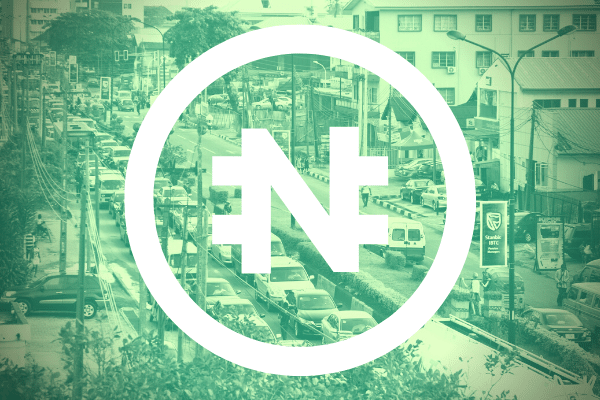
This marks a crucial shift as Nigeria seeks to revamp its approach to digital finance following months of market uncertainty. Earlier in 2024, the government launched a major crackdown on Binance, accusing the exchange of contributing to the naira’s sharp decline through alleged illicit forex trading, money laundering, and tax evasion. The naira had lost nearly 70% of its value during that period.
Stablecoins, digital tokens pegged to assets like the US dollar, have surged in popularity among Nigerians seeking to hedge against inflation and currency devaluation. The nation’s young, tech-savvy population has increasingly adopted dollar-backed stablecoins for everyday payments, remittances, and savings.
“The digital economy in Nigeria is dynamic, youthful, and increasingly decentralized,” Agama noted. “Freelancers, traders, and businesses across the continent are opting for stablecoin payments to hedge against volatility.”
He stressed that local conditions must shape Nigeria’s regulatory response. “Africa needs African solutions,” Agama asserted. “Regulatory frameworks must reflect our market conditions, demographic realities, and development priorities.”