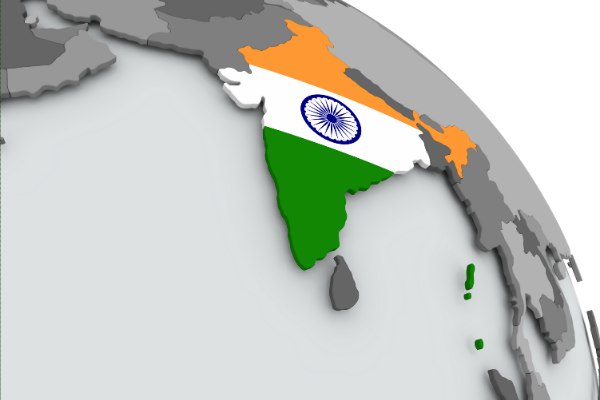
The Reserve Bank of India (RBI) is reportedly championing a landmark initiative to interconnect the central bank digital currencies (CBDCs) of the BRICS nations, a move designed to facilitate seamless cross-border trade and tourism while reducing the group’s long-standing reliance on the U.S. dollar, Reuters said in a news report.
Sources familiar with the matter indicate that the RBI has formally recommended that the Indian government include this proposal on the agenda for the 2026 BRICS summit, which India is scheduled to host later this year. If adopted, the plan would mark the first unified, formal attempt by member states—including Brazil, Russia, India, China, and South Africa, along with newer members such as the UAE, Iran, and Indonesia—to establish a shared digital currency framework.
This strategic push comes amid escalating geopolitical friction between New Delhi and Washington. President Donald Trump has issued stern warnings to the BRICS bloc against any efforts to circumvent the dollar, threatening to impose 100% tariffs on countries that seek to replace the greenback as the global reserve currency.
The proposed digital currency link is seen by many as a protective hedge against such economic pressure, though the RBI has maintained that its primary goal is to improve payment efficiency and modernize financial infrastructure rather than to initiate an overt “de-dollarization” campaign.
The regional landscape for digital currencies is already maturing, with core BRICS members currently operating advanced pilot programs. India’s own “e-rupee,” launched in December 2022, has reportedly scaled to 7 million retail users, supported by central bank innovations such as offline payment capabilities and programmable subsidies.
Similarly, China has been aggressively expanding the reach of the digital yuan, recently moving to allow commercial banks to pay interest on digital holdings as part of its effort to normalize the currency for global use.
The timing of the RBI’s proposal is particularly significant given the current trade standoff between the U.S. and India. Indian exports to the U.S. have suffered following the imposition of 50% tariffs on various goods, a figure that includes a specific 25% levy targeting India’s continued imports of Russian crude oil.
While trade negotiations were nearly finalized last year, they collapsed under a cloud of diplomatic tension. U.S. officials claimed the deal fell through after Prime Minister Narendra Modi failed to make a critical “closer” call to President Trump, a characterization the Indian government has dismissed as inaccurate. Despite several high-level conversations since then, talks remain stalled, leaving major Indian export sectors like textiles, chemicals, and gems in a precarious financial position.