
India has emerged as the global leader in grassroots cryptocurrency adoption, driven by a massive, young, and tech-savvy population that makes the nation a natural hub for digital assets.
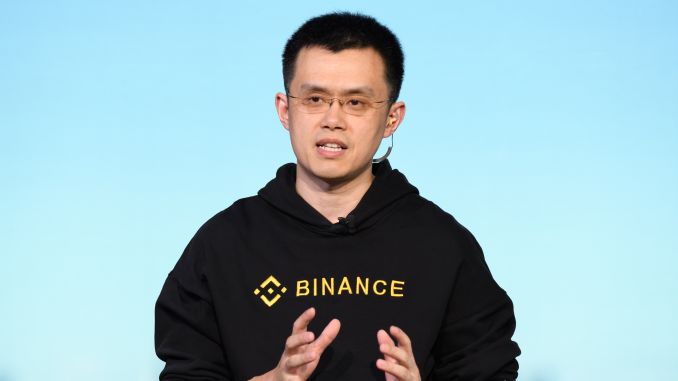
Binance CEO Richard Teng recently highlighted that India holds the top spot on the global crypto adoption index, noting that the country is indispensable to the exchange’s goal of reaching one billion users. Teng observed that while regulators in India and abroad have historically been skeptical, there is a visible shift toward active engagement as the technology becomes better understood, CNBC TV18 said in a report.
The regulatory environment in India remains complex; while the government permits digital assets and has launched trials for a Central Bank Digital Currency (CBDC), trading still exists in a regulatory grey zone.
Teng believes that deeper knowledge transfer is the key to shifting these perceptions, arguing that misgivings often stem from a lack of technical understanding. He pointed to the transition of prominent global financial figures from skeptics to believers as evidence that education can demystify blockchain, citing India’s CBDC trials as a strategically important step in this process.
Despite market fluctuations, Binance reports that the underlying market structure remains robust, with the platform reaching 300 million users last year and processing $34 trillion in trading value. The exchange has successfully onboarded over 60 million users annually for the past two years and recently secured a full global license from Abu Dhabi Global Markets. This growth is bolstered by a 20% rise in institutional volumes, as corporate treasuries increasingly adopt stablecoins and crypto to move capital globally on a 24/7 basis at a fraction of traditional costs.
The global landscape is also being reshaped by legislative clarity in the West, which Teng suggests is forcing a worldwide rethink of blockchain and AI policy. He praised the United States for the GENIUS Act, signed in July 2025, which established a federal framework for stablecoins and provided the oversight necessary for banks and non-banks to operate with certainty. Similarly, Europe is advancing toward the mid-2026 full licensing deadline for its MiCA regulation, creating a unified regime for digital asset service providers.
Ultimately, Teng argues that regulatory clarity has become a major competitive advantage for nations. As Binance expands its offerings to include gold and silver perpetual contracts to meet diversifying demand, the CEO warned that governments must adapt their approaches to AI and blockchain or risk losing their economic edge. He maintains that these technologies will soon drive every economic sub-sector, making clear legal frameworks essential for future growth.