
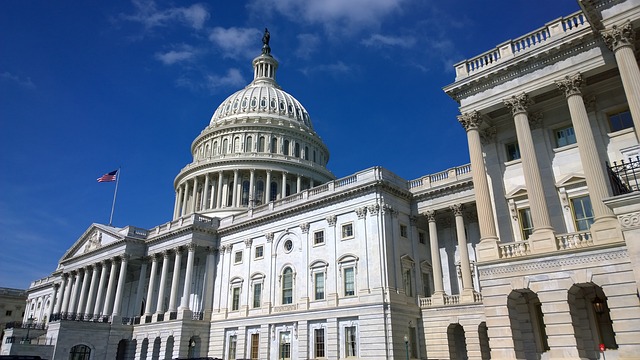
For years, cryptocurrency companies have asked the U.S. government for one big thing: a clear set of nationwide rules. Right now, different agencies disagree over who is in charge, leaving crypto businesses unsure of what is legal and what could get them sued.
To fix this, lawmakers drafted a major proposal called the CLARITY Act. But after Democrats won control of both the House and the Senate in the November 2026 midterm elections, the entire plan is getting a rewrite.
Money Didn’t Buy an Easy Path
Crypto firms spent an eye-popping $233 million on political campaigns in 2026, hoping to elect lawmakers who would support lighter regulations.
That bet ran into a wall. In Ohio, for example, pro-crypto groups spent $64 million trying to unseat Democratic Senator Sherrod Brown, a longtime crypto critic. Brown won anyway.
When the new Congress starts in January, lawmakers who want strict rules will take the lead. Senator Elizabeth Warren, one of the most outspoken crypto skeptics in Washington, is expected to head the Senate Banking Committee, meaning any new bill will have to pass her desk first.
Why the Bill Got Stuck: Ethics and Trump
The CLARITY Act actually stalled months before the election. A big reason was a bitter fight over ethics rules.
Democrats became frustrated when President Trump and his family launched their own crypto tokens and stablecoins. Critics pointed out that a sitting president profiting from digital coins created a massive conflict of interest. Democratic lawmakers made it clear: they will not sign off on a new crypto law unless it includes strict anti-corruption rules that apply directly to the White House, not just regular citizens.
Industry insiders also agree that these political token projects made it much harder to pass regular business rules, turning what was supposed to be a practical law into a political brawl.
What Crypto Companies Will Have to Accept
The CLARITY Act is not dead, but crypto firms will have to swallow some bitter pills if they want it passed:
- Bank-style rules: Big traditional banks want crypto firms to follow the same strict safety standards they do. Crypto apps may have to guarantee customer funds and keep much larger cash reserves.
- Tougher cops on the beat: The Securities and Exchange Commission (SEC) is likely to get stronger policing powers over digital tokens.
- Real accountability: Lawmakers want clear, mandatory protections for ordinary investors before they give crypto firms their blessing.
The Giant Hack That Made Lawmakers Nervous
Timing has made things harder for the industry. On October 29, 2026, hackers stole more than $6.3 billion from Binance, the single largest theft in cryptocurrency history.
The hack shook Washington. Critics pointed out that even the most recent draft of the CLARITY Act lacked basic requirements like mandatory insurance or limits on how much customer money exchanges can keep in online wallets. For skeptical lawmakers, the disaster was fresh proof that letting crypto exchanges hold billions of dollars without strict oversight is an accident waiting to happen.
What Happens Next?
Crypto leaders spent huge sums to get a seat at the negotiating table in Washington. They got their seat, but the people sitting across from them now hold all the power.
If the industry wants federal legal recognition, it will have to accept tough anti-corruption laws, bank-grade customer protections, and real limits on how exchanges handle your money.